
More Than Metal: The Stories Behind Collectible Coins, Challenge Coins, and Sobriety Coins
Every coin begins as an ordinary disc. Then it is stamped, carried, traded, lost, found, and kept. That journey turns metal into meaning.
Coins are small enough to forget in a pocket, yet powerful enough to carry memory, identity, and hope. A rare collectible may preserve a lost era. A challenge coin may honor service and belonging. A sobriety coin may mark a private victory no calendar can fully capture. Together, they show that value is not only measured in metal—it is measured in story.
Collectible Coins: History in Your Palm
Collectible coins range from ancient Roman denarii to modern commemorative issues. Some collectors chase key dates, mint errors, and proof sets. Others focus on one country, one monarch, or one theme such as ships, animals, or architecture. Each coin is a small document issued by a government, a mint, or a culture at a specific moment.
Condition is everything—almost. A coin’s grade can multiply its value, but a fascinating story can make a worn coin just as desirable. A pocket piece carried through a war or a medal signed by its designer may outshine a pristine specimen in personal significance.
- Rarity: Low mintage or survival rates create demand.
- Grade: Sharp details and original surfaces raise value.
- Provenance: A documented owner or event adds narrative.
- Demand: Popular themes can outperform obscure issues.
Challenge Coins: Brotherhood in a Pocket
Challenge coins began as military tokens of identity and camaraderie, though their exact origin is debated. Today they are used by armed forces, police and fire departments, sports teams, corporations, and conventions. A challenge coin is often given for service, excellence, or membership. It says: you were there, you belonged, you made a difference.
“Coin check!” The phrase can turn a casual gathering into a test of loyalty and memory. If you cannot produce your coin, tradition may demand you buy the next round.
They are not just souvenirs. Challenge coins build culture because they are carried close to the body. They travel in pockets, wallets, and rucksacks. Their value is emotional, social, and often deeply personal.
Designing a Challenge Coin
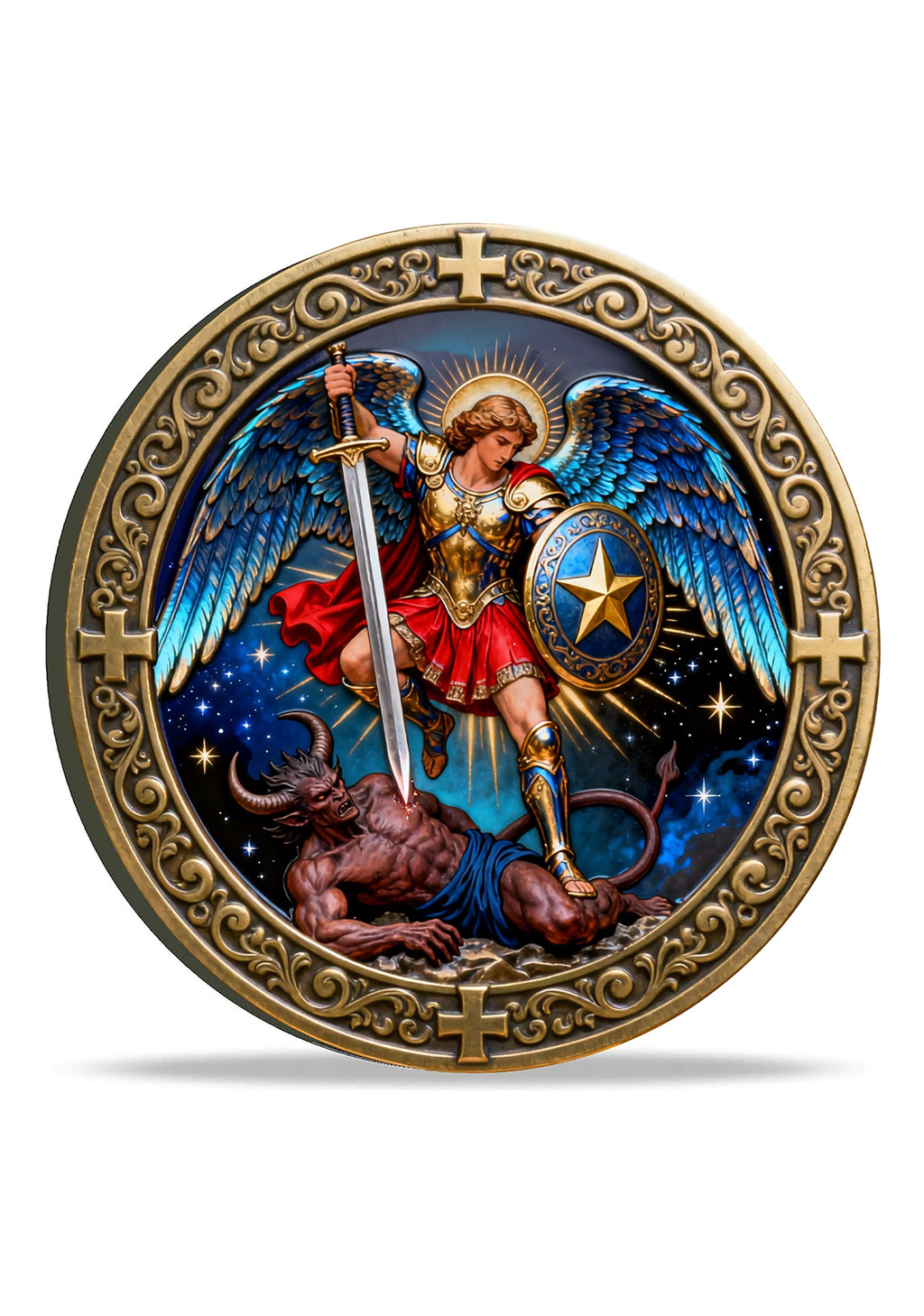
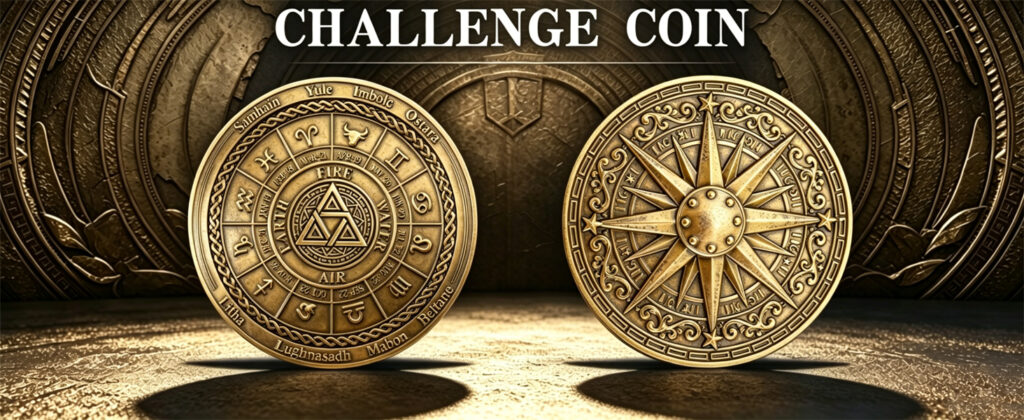
Custom challenge coins usually feature a unit crest, motto, flag, or mascot. Enamel colors, antique finishes, edge lettering, and unique shapes make a design stand out. A well-designed coin balances legibility with detail.
Sobriety Coins: Milestones You Can Hold
Sobriety coins—also called recovery medallions, AA tokens, or sobriety chips—mark time in recovery from addiction. Common milestones include 24 hours, 30 days, 60 days, 90 days, six months, one year, and multiple years. Many groups use a different color or metal for each milestone, creating a visual timeline of progress.
One day, one month, one year. The inscription may be simple: “To Thine Own Self Be True” or “Unity, Service, Recovery.” But the coin’s purpose is profound. It offers a physical anchor when words feel insufficient. It can be held during a craving, rubbed in a pocket during a meeting, or given to a newcomer as a promise that another day is possible.
Sobriety coins are not awards for perfection. They are witnesses to persistence. A relapse does not erase the days already earned; it adds a chapter to a longer story. For many people, the coin is less a trophy than a tool—a reminder that recovery is built one decision at a time.
Design, Material, and Meaning
Coins can be struck in brass, copper, nickel, silver, gold, or zinc alloy. They may be die-struck, cast, or 3D molded. Finishes range from polished to antique. Soft enamel creates bold color; hard enamel creates a smooth, durable surface. Laser engraving and serial numbers add security or personalization.
Customization turns a coin into a message. A sobriety coin might include a serenity prayer, a sobriety date, or a sponsor’s initials. A challenge coin might feature a call sign, a deployment map, or a motto in Latin. In every case, the details make the object irreplaceable.
Collecting With Purpose
You do not need a vault or a six-figure budget to start collecting. Begin with what moves you. Choose a theme, set a small monthly budget, and learn before you buy. Read about grading, counterfeit detection, and storage. Join forums, attend local coin shows, and talk to dealers and fellow collectors.
- Collect one theme, such as recovery milestones or military units.
- Keep a written record of where and why you acquired each piece.
- Buy the holder, not just the coin, for valuable specimens.
- Trade duplicates and share knowledge with new collectors.
Display, Preserve, and Share
Store coins in acid-free holders, capsules, or albums. Avoid touching valuable surfaces with bare fingers; oils and friction can reduce condition. Keep coins away from extreme humidity, heat, and sunlight. For challenge and sobriety coins, a display case or felt tray can turn a collection into a conversation piece.
Most importantly, share the stories. A coin collection locked in a drawer is a secret. A collection displayed with context becomes a bridge between generations. Tell the story of the grandfather who carried a lucky coin, the friend who received a challenge coin for bravery, or the person who picked up a one-year sobriety medallion and decided to keep going.
Why These Coins Matter
Collectible coins preserve history. Challenge coins honor belonging. Sobriety coins celebrate resilience. Together, they show that value is not only measured in market price. Value is also measured in memory, courage, and connection. Whether you collect for investment, heritage, or healing, every coin in your hand carries a story.
So the next time you hold a coin, look closer. You may be holding a piece of history, a badge of brotherhood, or a quiet promise of another sober sunrise.