
Paper Mache Eggs: The Ultimate Paintable Easter Craft for Creative Families
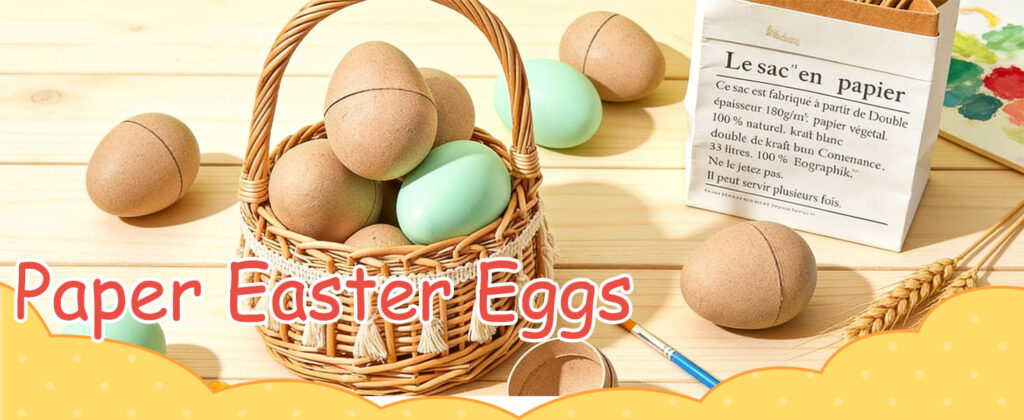
Paper mache eggs are one of those rare craft supplies that feel simple at first glance and then open up a world of creative possibility. Smooth, lightweight, and ready to paint, they are perfect for Easter egg crafts, classroom projects, family craft afternoons, and handmade seasonal décor. Unlike real eggs, paper mache eggs do not crack under pressure, need no blowing out, and can be saved year after year. Whether you are planning a messy toddler painting session or a carefully styled Easter tablescape, paintable Easter eggs give you a blank canvas that is durable, affordable, and endlessly adaptable.
Why crafters love them: Paper mache eggs turn a seasonal tradition into a reusable art project. Paint them, embellish them, hide them, display them — and start again next spring with a fresh design.
Why Paper Mache Eggs Deserve a Place on Your Craft Table
Real eggs are beautiful, but they are also fragile. Paper mache eggs solve that problem without sacrificing the classic egg shape that makes Easter crafts so charming. They are sturdy enough for little hands, smooth enough for detailed painting, and neutral enough to fit almost any color palette. For anyone searching for reliable Easter eggs for crafts, paper mache eggs offer the best of both worlds: traditional seasonal appeal and practical durability.
They are also wonderfully forgiving. If a paint color goes wrong, you can paint over it. If a pattern feels too busy, you can add a wash of white or cream to soften it. If you want a rustic look, leave some texture visible. If you want a polished finish, sand lightly and add a final coat of sealer. This flexibility makes paintable Easter eggs ideal for beginners, experienced crafters, and children who want to experiment without fear of ruining a delicate shell.
What Makes Paintable Easter Eggs So Versatile?
The beauty of paper mache eggs is that they work with almost every craft style. You can keep the project simple with acrylic paint and a brush, or you can turn each egg into a tiny mixed-media artwork. Consider how many directions one egg can take:
- Classic spring designs: pastel stripes, polka dots, tiny flowers, and soft ombré washes.
- Rustic farmhouse style: cream base coats, stamped botanical details, twine bows, and muted earth tones.
- Modern minimalist looks: geometric lines, metallic accents, color-blocked halves, and monochrome patterns.
- Kids’ creative play: fingerprint flowers, sticker collages, glitter swirls, and bold freehand painting.
- Elegant display eggs: gold leaf details, pearl accents, delicate lace decoupage, and hand-lettered names.
Because paper mache eggs are lightweight, they are easy to hang, nestle into baskets, thread onto decorative branches, or arrange in bowls. They also take glue, mod podge, ribbon, tissue paper, and markers well, so you are not limited to paint alone.
Getting Started: Supplies for Your Paper Mache Egg Project
Before you begin, gather a few basic supplies. A simple setup keeps the craft enjoyable and reduces cleanup stress, especially when children are involved.
- Paper mache eggs in the sizes you prefer
- Acrylic craft paint in spring and neutral colors
- Paintbrushes in a few sizes, including a small detail brush
- Paper plates or a washable palette
- Paper towels and a cup of water
- Optional embellishments: ribbon, washi tape, stickers, glitter, stamps, or decoupage paper
- Clear acrylic sealer for a lasting finish
Craft tip: Paint a base coat of white or cream first. It helps bright colors stay true and gives your design a clean background. Let each coat dry completely before adding details.
Simple Painting Techniques for Beautiful Easter Eggs
1. Classic Spring Palette
Start with soft pastel colors such as mint green, butter yellow, blush pink, lavender, and sky blue. Paint each egg in a solid color, then add small white dots or thin stripes with a detail brush. This approach is fast, forgiving, and perfect for a coordinated Easter basket display.
2. Textured Finishes
For a more handmade look, try sponge painting, dry brushing, or a light speckled effect. Dip a stiff brush into slightly watered-down paint and flick tiny specks onto the egg for a bird’s-egg look. You can also press a paper towel onto wet paint to lift texture and create a softly mottled surface.
3. Patterns and Details
Use painter’s tape to create crisp stripes, or draw simple shapes with a pencil before painting. Tiny hearts, leaves, crosses, dots, and zigzags are easy to add with a fine brush. For a more polished result, let each section dry before moving on to the next color.
Paper Mache Eggs for Kids, Adults, and Group Crafts
One of the best things about paper mache eggs is how easily they scale to different ages and settings. For young children, set out washable paint, chunky brushes, and stickers. Keep the focus on color mixing and happy experimentation rather than perfect patterns. For older crafters, introduce finer brushes, metallic paint, stencils, and decoupage techniques. For group events, such as Easter parties, classroom activities, or church craft days, paper mache eggs are practical because they are pre-formed, lightweight, and ready to use.
They also make thoughtful handmade gifts. Paint a set of eggs in a friend’s favorite colors, add names in gold marker, or place a small egg inside a clear gift box with shredded paper. A personalized paintable Easter egg feels more meaningful than mass-produced décor because it carries the maker’s time and creativity.
Display and Preserve Your Handmade Easter Eggs
- Seal the surface: Apply a thin coat of clear acrylic sealer after the paint is fully dry.
- Choose a display: Arrange eggs in a basket, wooden bowl, wire tray, or decorative nest.
- Store carefully: Wrap eggs individually in tissue paper and keep them in a dry, cool container.
- Refresh next year: If you want a new look, lightly sand and repaint your paper mache eggs for a fresh seasonal design.
Final Thoughts
Paper mache eggs are more than a seasonal craft supply. They are an invitation to slow down, paint freely, and create something personal for Easter. Whether you are making paintable Easter eggs with children, designing elegant centerpieces, or preparing Easter eggs for crafts at a community event, these lightweight eggs offer durability, versatility, and creative freedom. With a few paints and a little imagination, a simple paper mache egg can become a keepsake that brings color and joy to your spring celebrations year after year.