
Bird Feeders & Outdoor Accessories: A Complete Guide to a Thriving Backyard
Creating a backyard that welcomes birds is about more than hanging a feeder and hoping for the best. A successful setup blends thoughtful placement, the right food, durable outdoor accessories, and a little seasonal maintenance. Whether you are a first-time bird watcher or an experienced backyard naturalist, the details make the difference between a passing visit and a daily chorus of activity.
Why a Thoughtful Feeding Station Matters
Birds are practical guests. They look for reliable food, safe cover, and easy access to water. A well-designed feeding station supports all three needs without turning your yard into a crowded, messy stopping point. The goal is not to attract every bird at once; it is to create a balanced outdoor space where birds can feed comfortably and move on naturally.
Start With the Right Feeder
Different feeders suit different birds, and variety is often more effective than a single oversized feeder. Consider the following options:
- Tube feeders: Ideal for small seeds and clinging birds such as chickadees and finches.
- Hopper feeders: Easy to fill and popular with cardinals, jays, and larger seed eaters.
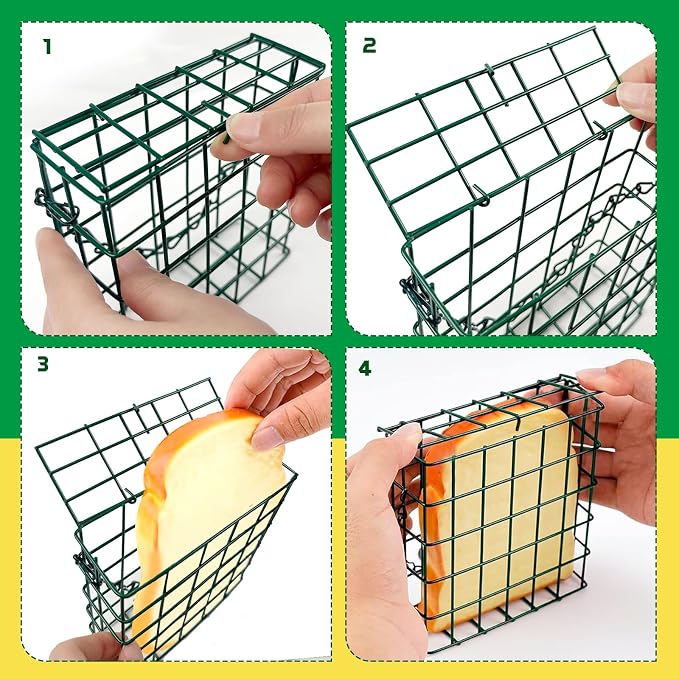
- Suet cages: Excellent for woodpeckers and other insect-loving birds, especially in colder months.
- Nectar feeders: Designed for hummingbirds and best kept clean with frequent refills.
- Platform feeders: Good for ground-feeding birds, but they require regular cleanup to prevent waste buildup.
A good feeder does not just hold food. It protects it, drains moisture, and gives birds a clear view of their surroundings.
Match the Food to the Feeder
Seed blends can be tempting because they promise variety, but many mixes contain cheap fillers that birds scatter on the ground. Black-oil sunflower seed, nyjer, suet, peanuts, and plain unsalted kernels often deliver better results. Freshness matters too: damp or clumped seed should be replaced immediately.
| Food Type | Best For | Feeder Style |
|---|---|---|
| Black-oil sunflower | Cardinals, chickadees, nuthatches | Tube or hopper |
| Nyjer | Finches and small songbirds | Fine-mesh tube |
| Suet | Woodpeckers and insect eaters | Suet cage |
| Nectar | Hummingbirds | Specialized nectar feeder |
Placement: The Quiet Art of Backyard Traffic Flow
Placement affects safety and success. Put feeders where birds can spot approaching predators, but keep them away from windows and low hiding spots for cats. A distance of roughly ten to twelve feet from glass is often recommended, with decals or screens used when needed. Grouping feeders can create a lively station, yet crowding can also spread disease and stress. Use these placement guidelines:
- Choose a spot with partial shelter from wind and harsh weather.
- Keep feeders near shrubs or trees, but not so close that predators can ambush easily.
- Place water nearby so birds can drink and bathe without long exposed flights.
- Rotate feeder positions slightly if ground mess becomes excessive.
Outdoor Accessories That Earn Their Keep
The right outdoor accessories turn a simple feeder into a practical habitat. A birdbath with shallow water and a textured bottom helps birds grip safely. A squirrel baffle protects seed and reduces frustration. Weather-resistant hooks, pole systems, and seed storage containers keep the station organized through rain, snow, and heat. For hummingbird feeders, an ant moat is a small accessory with a big impact.
Cleaning and Seasonal Care
Clean feeders regularly with hot soapy water and rinse thoroughly. A mild bleach solution can be used for deeper cleaning when needed, but it must be fully rinsed and dried before refilling. Replace nectar every few days in warm weather. Remove old seed, scrub away mold, and repair cracked parts rather than waiting for a feeder to fail completely.
Seasonal adjustments are equally important. In winter, high-energy foods such as suet and sunflower seed help birds endure cold nights. In summer, shade and fresh water become critical. During wet spring weather, check for damp seed and clean more often. A little routine care prevents most problems before they begin.
Build a Habitat, Not Just a Buffet
Bird feeders and outdoor accessories are most effective when they support a wider habitat. Native plants provide insects, seeds, and shelter. Layered landscaping offers safe perches and nesting spots. Leaving a small brush pile can help ground-dwelling birds, while avoiding pesticides keeps the food web healthy. The result is a yard that feels alive in every season, not merely busy at the feeder.
Ultimately, a thriving backyard bird station is a simple pleasure with a thoughtful foundation. Choose quality feeders, offer fresh food, add useful outdoor accessories, and keep everything clean. With a little patience, your yard can become a reliable stopover for birds and a daily source of calm, color, and movement.