

From Papier-Mâché to Charms: A Mixed-Media Crafting Adventure
Arts and crafts invite us to slow down, touch real materials, and turn ordinary supplies into something personal. A roll of transfer paper, a scrap of fabric, a bowl of papier-mâché paste, and a handful of charms and beads can become the beginning of a surprisingly rich creative journey. The magic is not in buying more—it is in learning how these materials speak to one another.
Papier-Mâché: The Art of Humble Layers
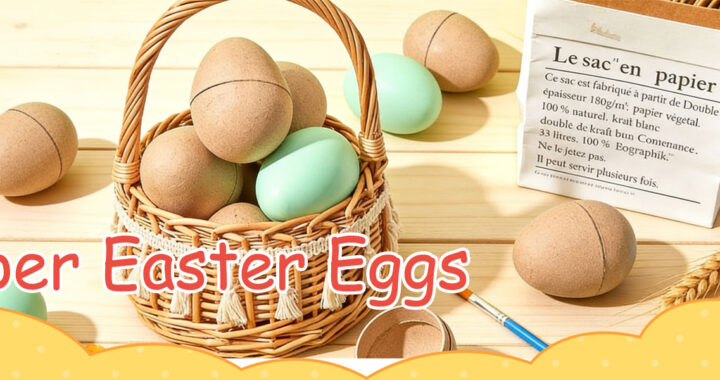
Papier-mâché is one of the most forgiving craft materials. Strips of newspaper or tissue paper, a simple paste, and a little patience can create bowls, masks, ornaments, and sculptural forms. Its charm lies in its texture: slightly irregular, handmade, and full of character. Instead of aiming for factory perfection, crafters can celebrate the visible layers and soft edges.
A good papier-mâché project begins with a sturdy armature—a balloon, a cardboard form, or a wire frame. Build thin layers rather than thick ones, allowing each layer to dry completely. Patience is part of the process. Once the form is dry, it can be sanded, painted, or covered with fabric. This is where other materials begin to enter the story.
Papier-mâché teaches a quiet lesson: strength often comes from layers, not from force.
Transfer Paper as a Design Bridge
Transfer paper is a quiet hero in the craft room. It helps move a design from a sketch to fabric, wood, papier-mâché, or canvas without freehand anxiety. Whether you use graphite transfer paper or a specialty fabric transfer sheet, the goal is the same: let your idea travel onto a new surface.
Use transfer paper with intention. Tape your design in place, choose a contrasting transfer color, and apply gentle, even pressure. On fabric, test first on a scrap to see how the lines behave. On papier-mâché, light strokes are usually enough. Transfer paper is especially useful for repeating motifs—leaves, stars, geometric borders, or tiny hearts—that can later be embroidered, painted, or outlined with beads.
Design Tip: Keep a simple motif
Instead of transferring an entire complex illustration, transfer one strong motif and repeat it. A single leaf can become a border. A small circle can become a row of bead accents. Repetition makes handmade work feel cohesive without making it look mass-produced.
Fabric: Softness, Color, and Structure
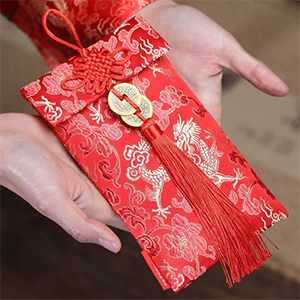
Fabric brings warmth and flexibility to mixed-media crafts. Scraps of cotton, linen, felt, and canvas can line a papier-mâché bowl, become a patch on a journal cover, or form a small pouch for a handmade charm. Fabric also softens hard edges, which makes it a natural partner for papier-mâché and wire forms.
When choosing fabric, think about texture as much as pattern. A rough linen adds rustic character; a smooth cotton gives crisp contrast; a bit of felt adds softness. Fabric can be glued, stitched, or fused depending on the project. For wearable or frequently used items, stitching is usually more durable. For decorative pieces, a careful fabric glue can work beautifully.
- Layer light fabrics over dark papier-mâché for contrast.
- Fray the edges intentionally for a soft, handmade look.
- Use fabric scraps to cover small imperfections or add hidden color.
Charms and Beads: The Finishing Spark
Charms and beads are the details that make a project feel complete. A tiny metal bird, a glass bead, a wooden star, or a cluster of seed beads can catch the light and draw the eye. But embellishment works best when it is balanced. Too many charms can overwhelm a piece; a few well-placed accents can make it sing.
Think of beads and charms as punctuation. A single charm at the center of a fabric flower acts like a full stop. A short beaded fringe adds rhythm. A row of tiny beads along a transferred line becomes a quiet highlight. Attach charms securely with strong thread, wire, or small jump rings, and always consider how the piece will be used. A decorative bowl can handle a dangling charm; a frequently washed fabric item needs simpler, sturdier details.
A Weekend Project: Layered Trinket Dish
Try combining all five materials in one small project. Begin with a shallow papier-mâché dish made over a lightly oiled bowl. Once dry, transfer a simple leaf or star motif onto the inside. Paint the outline, then press a piece of soft fabric into the center as a liner. Finish with a small beaded charm tied to one side.
- Form the papier-mâché dish and let it dry fully.
- Transfer a motif onto the surface.
- Paint or outline the design.
- Line the center with fabric.
- Attach a charm and bead accent.
The result is a small object with layers of meaning: the patience of papier-mâché, the precision of transfer paper, the softness of fabric, and the sparkle of charms and beads. Arts and crafts do not require a perfect studio or expensive supplies. They require curiosity, a little time, and the willingness to let materials lead the way.